

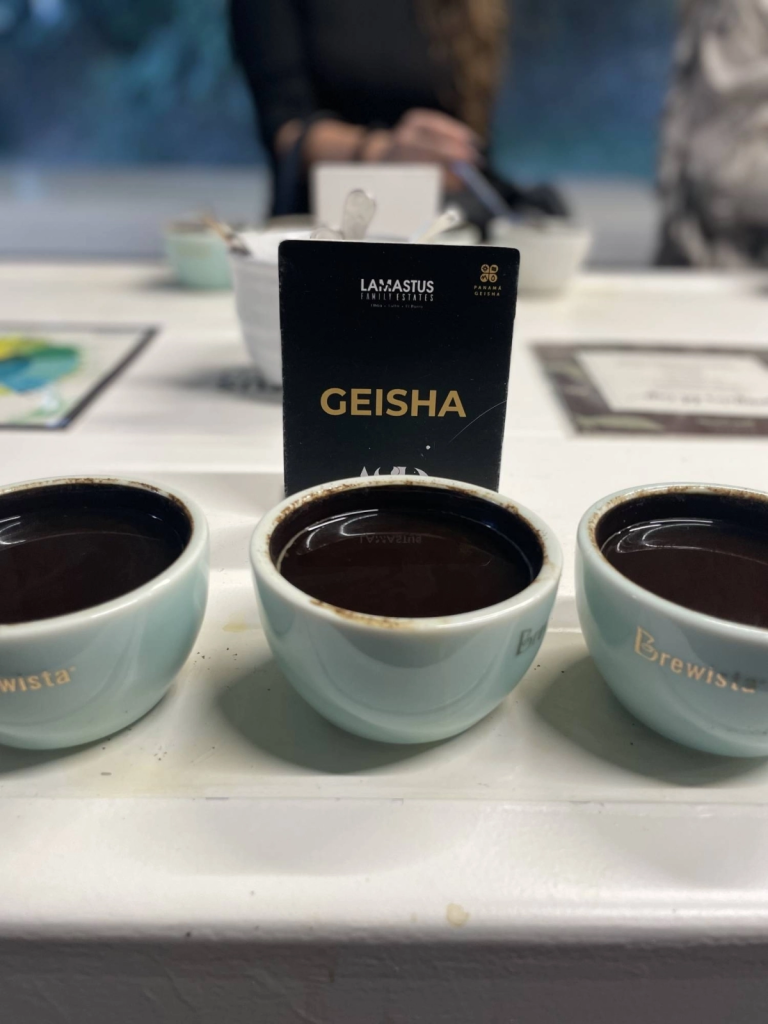
In the minimalist tasting room at Leaves Coffee Roasters in Tokyo’s Sumida Ward, my host leans in close to a cup of Panama Geisha, inhaling deeply.
“When it’s hot, you’ll find aromatic compounds like jasmine,” she explains, guiding me through the tasting of Lamastus Estate’s Elida Falda.
The first whiff reveals candied ginger and warm spices like nutmeg. As the coffee cools, its character transforms: Bright citrus notes emerge, reminiscent of pomelo, while a gentle umami suggests fine green tea, and sweet, honey-like undertones bloom in the finish.
This sublime complexity helps explain why Geisha has become the crown jewel of Tokyo’s flourishing specialty coffee scene.
Refined coffee experiences are increasingly common in Japan, the world’s third-largest coffee consumer and fifth-largest importer. Led by growing demand, specialty coffee now accounts for 10% of the market, with establishments like Geshary Coffee in Tokyo’s Hibiya neighborhood helping position this rare coffee as an accessible luxury.
“In the past five years, coffee drinkers have become much more knowledgeable,” says Kazuki Togashi, general manager at Geshary, the world’s first cafe dedicated exclusively to Geisha varieties. “When we first opened the cafe in 2019, some customers expected to see geisha performers making coffee.”
Japan’s embrace of Geisha coffee reflects a broader sophistication among consumers. Over the past decade, specialty cafes have proliferated across Tokyo, from the eastern neighborhoods along the Sumida River that comprise the city’s “coffee town” to the skyscraper district of Shinjuku. At Geshary, baristas tell coffee’s complete story — from cultivation to cup — across the cafe’s four floors while featuring a rotating selection of 10 single-origin Geisha varieties from Central and South American producers.
Coffee roots
The coffee variety known as Geisha — or Gesha, after the region in Ethiopia where it was discovered in the 1930s — traveled a long path before capturing Japan’s imagination. British colonial explorers brought these trees to Costa Rica, but the variety remained relatively unknown until 2004, when a Geisha coffee from Panama’s Hacienda La Esmeralda sold for a then record-breaking auction price of $46.30 per kilogram following its success at the Best of Panama competition. The coffee’s extraordinary floral notes and sweetness stunned judges, launching a global sensation.
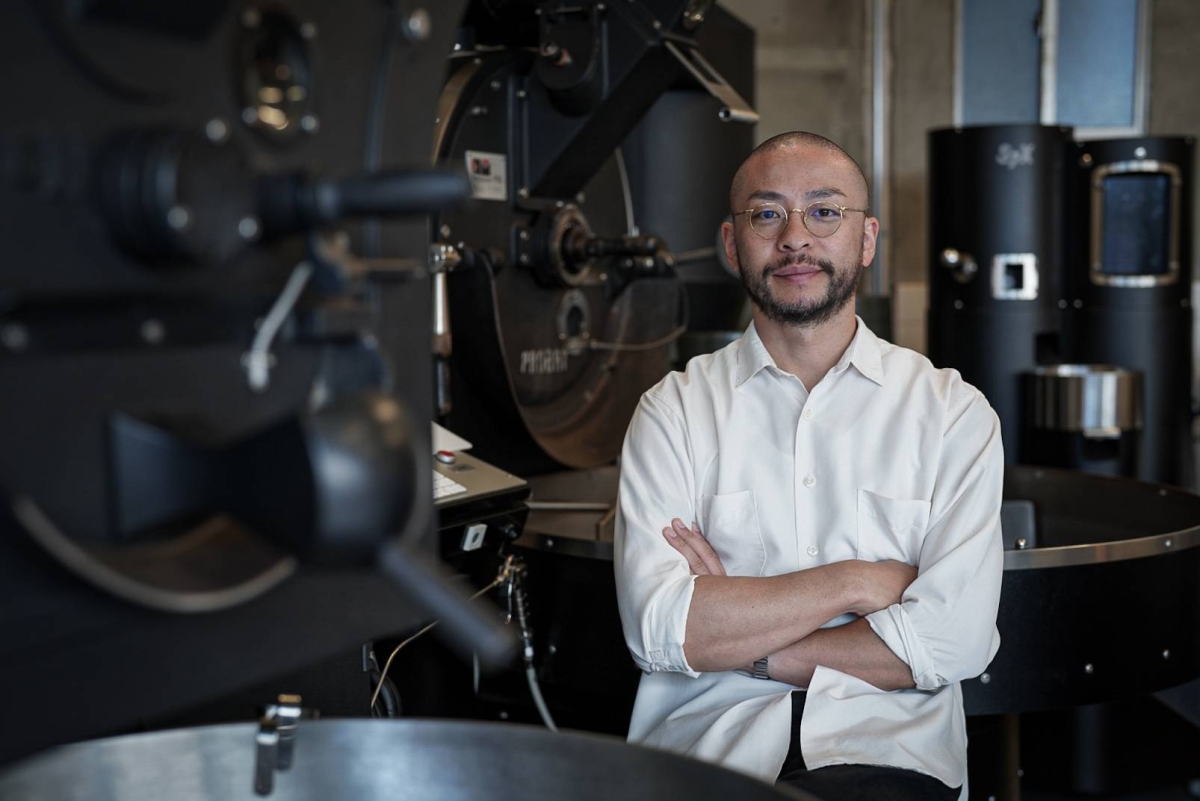
Yasu Ishii of Leaves Coffee Roasters says that the high price of Geisha coffee means cafes must communicate the story of the beans as much as the flavor. | COURTESY OF LEAVES COFFEE ROASTERS
Geisha’s refined character particularly appeals to Japanese consumers, says Taka Ishitani, award-winning barista and co-founder of Ash in Tokyo’s Shibuya district.
“Japanese people have a deep appreciation for subtle, intricate flavors,” Ishitani says. “When someone first tries Geisha, they often ask, ’Is this really coffee?’ because its profile is so different — more like fine perfume or white wine.”
“Japan has been very important for us,” Wiford Lamastus Jr., fourth-generation coffee producer and co-owner of Lamastus Estates, told me when I visited the company’s Elida farm earlier this year. “Japanese buyers were among the first to start coming to Panama, and their willingness to pay for premium coffee has helped raise its market value.”
Such interest has helped spark a new vision for Panama’s Chiriqui highlands. While the country has long drawn visitors to its capital’s UNESCO sites and Caribbean beaches, both producers and tourism officials are now courting a different kind of traveler: the coffee connoisseur.